


With so many content formats available competing for a buyer's attention, deciding where to invest the limited time and budget means knowing which formats buyers actually respond to. Webinars consistently rank among formats buyers engage with, which makes them worth looking at closely as a key player in your sales pipeline. This is part of our guide to virtual event and webinar marketing.

Are Webinars Effective for Lead Generation?
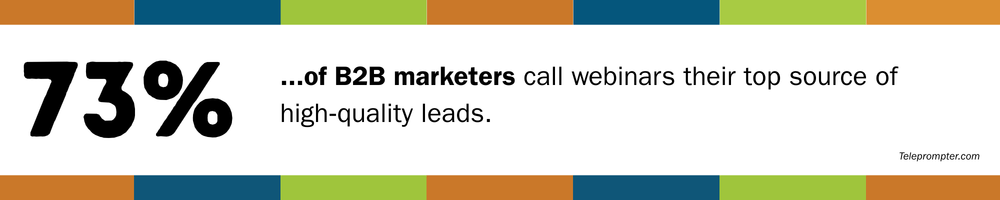
Yes, and buyer data backs it up: 75% of B2B buyers choose webinars first among gated content, according to a 2024 Demand Gen Report . That preference translates directly into lead volume; a webinar attendee has already opted in more deliberately than someone clicking a cold email link.
Why Webinar Lead Generation Works
A webinar registrant has already done something a cold lead hasn't: raised their hand. They picked a topic, blocked time on their calendar, and showed up expecting to learn something specific. That's a fundamentally warmer starting point than a name on a purchased list.
Marketer-reported results confirm this isn't a one-year trend. Content Marketing Institute's annual B2B benchmarks survey has ranked webinars among the two most effective content distribution channels for at least two consecutive years, second only to in-person events. Webinars keep delivering real, repeatable results for lead generation.
What Separates a High-Converting Webinar From a Low One
-
Format alignment matters the most. A training webinar, a product demo, and an executive briefing all convert differently because they attract different intent levels. Match the format to what you're actually trying to generate. For example, are you looking for leads in the 'ready to buy' stage, or leads that are still evaluating their options? Deciding on this must occur before building the registration page. This is the same decision covered in more depth in our Virtual Event Planning and Strategy guide's format chapter.
-
Registration friction is the next lever. A long, invasive registration form loses signups before the event even happens. Ask for only what you'll actually use, either to personalize follow-up or to qualify a lead.
-
Reminder communication can have an impact on increasing attendance. A confirmation, a reminder a few days out, and a final reminder the morning of the event each reduce the drop-off in a way a single invite email doesn't.
-
Presenter quality carries real weight. Attendees can tell within minutes whether a presenter knows the material or is reading from a script, and a disengaged presenter undoes every other decision made correctly up to that point. Choose presenters with real command of the subject and real experience presenting on camera, not just seniority.
-
Restraint on the sales pitch matters more in a webinar than almost any other format. Attendees who sense a hard sell disengage quickly and a webinar that turns into a thirty-minute product demo loses the credibility that got people to register in the first place. Save the direct pitch for the follow-up, once trust has already been built during the session.
-
Engagement tools build into the session. Live polls, Q&A, and chat do more than keep attendees interested; they generate specific behavioral data, such as who asked what, who engaged when, and that helps sales teams prioritize which leads to call first.
Building the Data Layer Before the Event, Not After
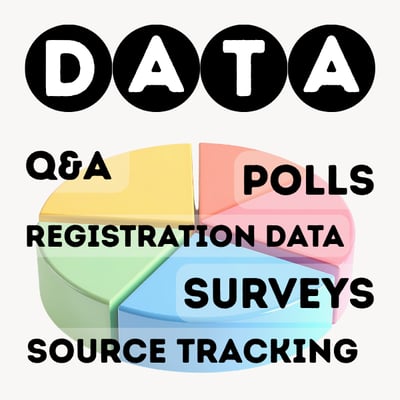
The most well-run webinar generates limited value without a plan for capturing useful data during it. That plan needs to exist before the event, built alongside the content itself, not assembled afterward from whatever the platform happened to track.
-
Registration questions should map directly to what you plan to do with the answer. A question that doesn't inform either content decisions or lead qualification is just friction added to the sign-up form for no return.
-
Source tracking by marketing channel identifies which promotion effort actually drove registrations, such as email, social, or partner promotions. This helps ensure future budget goes toward the channels found to be the most effective.
-
Poll and Q&A data does double duty. Beyond keeping attendees engaged in the moment, it reveals which topics resonated, which questions came up repeatedly, and which attendees engaged the most, all of which shapes both the next webinar and the current webinar's sales follow-up.
-
Post-event surveys should build on what registration and engagement data already revealed, not repeat it, and should always include a direct opt-in question asking whether the attendee wants to be contacted.
-
Secondary data points worth tracking alongside the obvious metrics: time of registration relative to the event date, connection duration, chat activity, and on-demand recording views after the live event ends. Each one adds context that attendance count alone doesn't provide.
Turning Webinar Leads Into Pipeline
The webinar itself generates the lead, but what happens in the following days determines whether it converts, and that's a deep enough topic to deserve its own space. For a full breakdown of moving attendees through each funnel stage after the event, see our guide on nurturing webinar leads and driving sales.
FAQ: Webinars For Lead Generation
Do webinars actually generate qualified leads, or just registrations?
Registration alone isn't a qualified lead. Attendance, engagement during the session, and behavior afterward, like requesting a demo or downloading a resource, are what separate a real lead from a name on a list.
Do B2B buyers actually prefer webinars over other types of content?
Yes. Demand Gen Report's buyer survey found webinars and digital events are the gated content type buyers are most likely to register for, ahead of other formats like whitepapers or reports.
Does the on-demand recording matter for lead generation, or just the live event?
Yes. On-demand viewers need the same clear path to becoming a lead that live attendees get: thoughtful follow-up and a defined next step, rather than being left to watch the recording with no conversion path attached.
How soon after a webinar should sales follow up with leads?
As soon as the engagement data is available, ideally within a day or two. Intent signals from the event fade quickly, and a delayed follow-up loses much of the advantage a webinar generates over cold outreach.
Building a Webinar Program That Converts
A well-run webinar program, with the format batch to the objective, low-friction registration, and fast follow-up, generates leads repeatedly. If your team needs help running that program at scale, from technical setup to attendee support, see how EventBuilder handles webinar production by getting in touch with us today.

Disclaimer: This article was created with some help from AI, but thoroughly edited, revised, reviewed, and fact-checked by a living, breathing, coffee-drinking human writer.
Beyond the Webinar: Nurturing Leads and Driving Sales
How to Repurpose Webinar Content for Maximum Impact
No Comments Yet
Let us know what you think