


In 1988 a federal law passed that most people have never heard of. It didn't dominate headlines or spark debate, but it fundamentally changed who in the United States could access capital and enjoy ownership rights.
The Women's Business Ownership Act (H.R. 5050) reshaped the business landscape for women in the United States. It strengthened lending equity, formalized federal support structures, and made women-owned businesses visible in economic data like never before, so the impact of women's entrepreneurial efforts could be measured and accounted for. For EventBuilder, a 100% women-owned technology and services company, that legislation provided us the foundation we needed to join other trailblazers who run enterprise tech companies, lead production teams, and contribute to a thriving economy. Let's take a deeper dive into this landmark law!
What Changed in 1988 and Why
To understand the 1988 Act, we need to go back further in history.
Before the Equal Credit Opportunity Act, lenders could legally discriminate based on sex or marital status. The 1974 law made that discrimination illegal. While on paper women could apply for credit in their own names, in practice barriers remained; some banks continued to require male co-signers for business loans well into the 1980's. Others applied stricter standards for women borrowers under the guise of "risk."
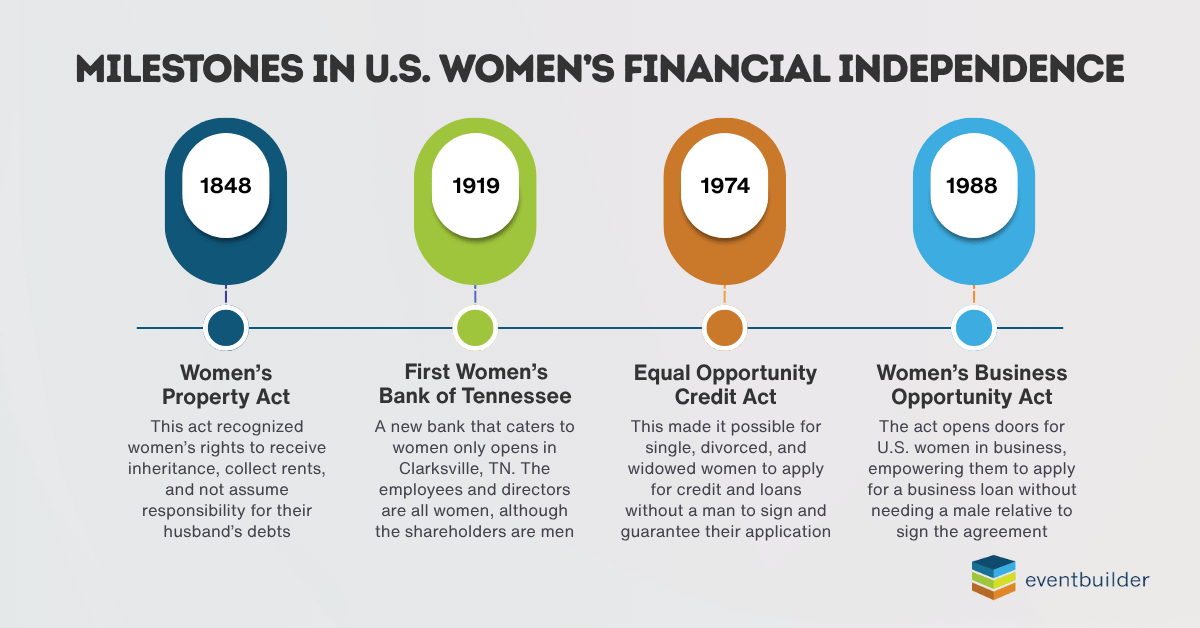
The 1988 Act addressed these persistent gaps and expanded institutional support. It:
- Ended male co-signer requirements for many business loans
- Created the National Women's Business Council (NWBC), giving women entrepreneurs a formal advisory voice to Congress and the President
- Required improved federal data collection on women-owned businesses, including C-corporations.
That last point may sound procedural, but it was pivotal. When businesses are undercounted, they're underestimated. When they're underestimated, they're underfunded. Better data meant women-owned businesses couldn't be discounted as marginal or simply an anecdote. It made their economic impact measurable and harder to ignore, and the effect was more than simply a regulatory footnote; it gave women-owned businesses the structural recognition they deserved.
The Legacy of Women Entrepreneurs
Honoring the Trailblazers
Women have, of course, been building businesses and making their own opportunities long before the societal winds shifted and federal policy caught up. One of the most frequently cited examples is Madam C.J. Walker, widely recognized as one of the first self-made female millionaires in the United States. She built a national haircare enterprise in the early 20th century, decades before women had consistent access to capital.
Despite not having fair access to capital, institutional backing, or accurate recognition in economic records, women built successful companies anyway. What changed in 1988 was that the more women could build with fewer structural barriers, and that difference compounds over time.
What the Data Shows Today
The impact of these legal and structural shifts is clearly visible in current economic data. According to the 2026 Impact of Women-Owned Businesses report from Wells Fargo:
- Women own more than 15.7 million businesses in the United States
- That represents approximately 40.6% of all U.S. businesses
- Women-owned firms generate about $2.8 trillion in annual revenue
- They employ more than 12.6 million workers
These numbers demonstrate that women-owned businesses are key players in the U.S. economy.
The same report also notes that women of color represent one of the fastest growing segments of business owners nationwide, with growth rates that outpace many other groups.
At EventBuilder, our story mirrors that broader movement: women leading with expertise, supporting one another, and proving that inclusion drives innovation.
Why We Celebrate Women-Owned Businesses and Why it Matters
We celebrate because we’re standing on the shoulders of giants: women who heard “no” and turned it into “not yet.”

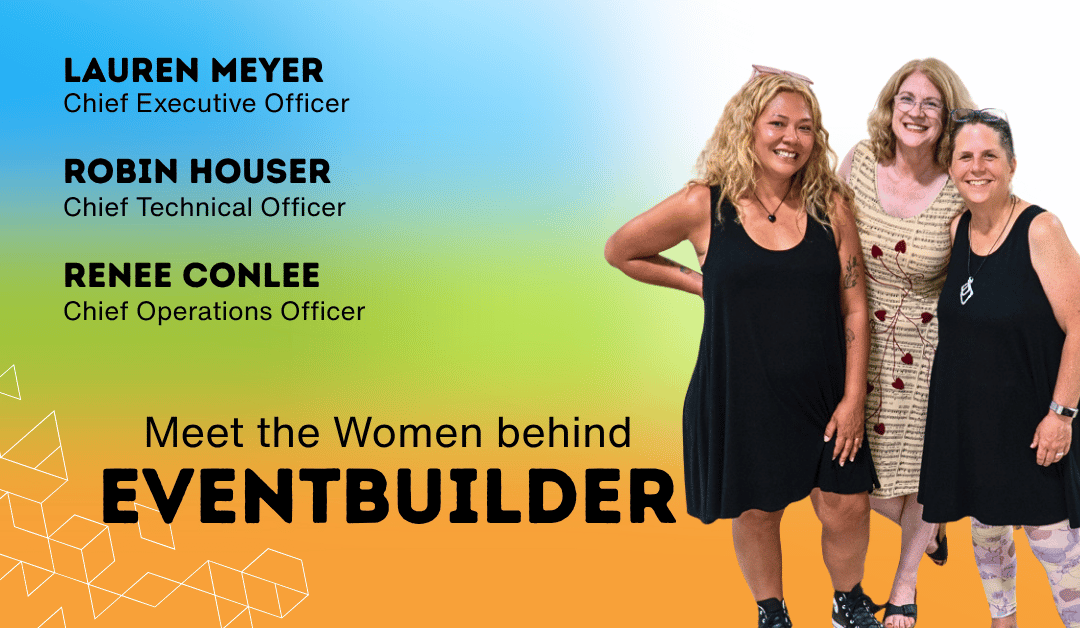
"When one of us succeeds, we all move forward."
Lauren Meyer, EventBuilder CEO
It's easy to forget how recent so many of these changes are. 1988 wasn't that long ago, and yet some women still faced practical hurdles in securing business loans. Today, millions own firms, lead executive teams, and serve on corporate boards across industries.
Supporting women-owned businesses isn’t just a symbolic gesture, it’s smart economics. Studies consistently show that:
- Small businesses strengthen local economies
- They create jobs across a wide range of industries
- Families gain more financial stability
- Innovation increases as more perspectives, products, and services hit the market
When more women have equitable access to capital and opportunity, economic benefits scale accordingly.
The journey from needing a male co-signer to running enterprise-level companies in one generation is huge! It shows what’s possible when opportunity meets determination.
What This Progress Looks Like in Tech and Virtual Events
Building What's Next
Technology and business event production have not historically been female-dominated sectors. Today, that landscape is shifting.
As a women-owned company operating in enterprise virtual events, particularly within Microsoft Teams environments, EventBuilder works in spaces that require compliance oversight, data governance, and managing complex registration scenarios.
That kind of leadership depends on access: access to funding, technical education, and enterprise partnerships. The same legal changes that removed barriers decades ago help women to lead software companies and production teams today.
When organizations choose certified women-owned providers for their virtual events, they are reinforcing a broader economic system where women can lead, hire, and invest. That's a supply chain decision with real financial implications.
Practical Ways to Support Women-Owned Businesses
If you're sourcing vendors, speakers, or partners:
- Look for third-party certifications from organizations like the National Women's Business Enterprise Council (WBENC)
- Use women-owned business directories during RFP processes
- Include women founders and executives in panels and virtual programs
- Share women-owned supplier options with procurement and leadership teams
Even one intentional vendor decision shifts revenue. Revenue support payroll, and payroll supports families and communities. That adds up!
The Through-Line
The Women's Business Ownership Act did not create women entrepreneurs: they were already here and had been since the start. What the legislation did was reduce structural barriers, formalize representation, and make economic impact measurable.
There's a set of outcomes that surface when access to capital becomes more equitable: participation rises, markets evolve, and leadership changes.
The story that began with reinforcing a woman's right to sign her own business loan continues today in boardrooms, startups, and enterprise technology firms across the country.
FAQ: Women's Business Ownership Act
1. What is the Women's Business Ownership Act of 1988?
The Women's Business Ownership Act of 1988, also known as H.R. 5050, is a federal law that strengthened support for women entrepreneurs in a very practical way. It helped end male co-signer requirements for many business loans, created the National Women's Business Council, and improved data collection on women-owned businesses. In short, it helped make women business owners more visible, measurable, and fully recognized participants in the economy.
2. How did the Act change access to capital for women?
Before the law, many women were still being asked to bring in a husband or male relative to co-sign business loans, even when they qualified on their own.
The Act reinforced fair-lending protections and helped remove those lingering co-signer requirements. That meant women could apply for business credit under the same standards as men, based on their own financial qualifications.
3. How many women-owned businesses exist in the United States today?
According to the 2024 Impact of Women-Owned Businesses report from Wells Fargo, women own more than 14 million businesses in the United States; that's close to 40% of all U.S. businesses. Together, they generate roughly $2.7 trillion in annual revenue and employ more than 12 million people. Women-owned businesses are a major force in the U.S. economy.
4. How can I tell if a business is women-owned?
Many women-owned businesses choose third-party certification to make it clear. For example, many companies, including EventBuilder, obtain certification from the Women's Business Enterprise National Council (WBENC) and display a "Women-Owned" seal on their website and marketing materials.
You can also:
- Check the company's About page for ownership details
- Look for women-owned indicators within supplier diversity programs
- Use online directories that list certified women-owned firms
5. What role to virtual events play in supporting women-owned businesses?
Virtual events are powerful visibility tools, giving women founders and experts a platform to share their knowledge at scale. They connect women-owned businesses with clients, partners, and investors beyond their immediate geography, reducing travel and scheduling barriers, as well as offering an accessible option for caregivers and professionals with limited time flexibility.
A Conversation With Our Leaders
Watch the on-demand recording of our special webinar, "Women-Led Innovation in Tech," where our leaders share their wit, wisdom, and insights into running a successful, all-women owned tech and services business.

Disclaimer: This article was created with some help from AI, but thoroughly edited, revised, reviewed, and fact-checked by a living, breathing, coffee-drinking human writer.
Women's Equality Day: America's Gender Equality History
Breaking Barriers: Inspiring Stories of Women in Tech

No Comments Yet
Let us know what you think