


Virtual event production goes far beyond "launch a webinar and hope for the best!" It's the operational backbone behind events that run on time, stay secure, protect your brand, and deliver measurable outcomes.
If you manage and run virtual events, this guide is for you! We're walking you through:
- The six components of high-performing virtual production
- A practical framework to reduce technical risk
- How to increase engagement (without gimmicks!)
- Where professional production support materially changes outcomes
Want a deeper dive?
Read our full guide to virtual event production and management.
What is Virtual Event Production?

Virtual event production includes the technical, operational, and strategic coordination required to deliver a professional online experience.
It goes way beyond sending a meeting link. It includes:
- Platform selection and configuration
- Registration workflows
- Speaker onboarding
- Rehearsal management
- Live moderation
- Backstage coordination
- Real-time technical support
- Engagement strategy
- Reporting and post-event analytics
When production is handled correctly, attendees never notice it. When it's not handled well? They absolutely notice it.
According to Content Marketing Institute's 2024 report, B2B Content Marketing Benchmarks, Budgets, and Trends, content quality and audience engagement are among the top drivers of B2B event success. Poor execution directly impacts perceived credibility and retention. In other words, if your audience is distracted by production issues, you're losing on two fronts: brand reputation and content recall.
Bottom line: Production protects reputation.
Go Deeper with Our Free Guide!

The Virtual Event Production Framework
Here's the six-part framework we use with enterprise teams:
- Define outcomes
- Align technology to format
- Design for digital engagement
- Prepare speakers thoroughly
- Execute with a live production plan
- Measure and extend impact
Run this consistently and you reduce risk while improving measurable performance. Let's break it down.
Step 1: Define Outcomes and KPIs
It's tempting to start with your tech, but experience has taught us that clarity is the real first step in quality virtual event production.
Ask:
- What is the primary objective? Lead generation? Internal alignment? Revenue influence?
- What behaviors matter? Registrations? Attendee rate? Engagement? Pipeline contribution?
- What number defines success?
For marketing teams, common KPIs include:
- Registration-to-attendance rate
- Engagement score
- Sales-qualified leads generated
- Content downloads
- Revenue influence
Action Step: Write your primary objective in one measurable sentence.
Step 2: Select the Right Virtual Event Platform
Think of your platform as your event venue. It needs to match your format, scale, and security requirements. Evaluate:
- Audience capacity and scalability
- Interactive tools (Q&A, polling, chat, reactions)
- CRM and marketing automation integrations
- Depth of reporting
- Security certifications and compliance statement
Enterprise teams often require alignment with standards like ISO 27001. The Microsoft Trust Center is a useful benchmark when evaluating vendor security documentation.
For Microsoft Teams events, get to know the differences between Meetings, Webinars, and Town Halls and how registration, audience controls, and analytics differ across each.
Step 3: Design Content for Online Attention
Virtual audiences behave differently than in-person attendees, and designing your event with this in mind is a key element to increasing participation and retention. Best practices:
- Keep single--speaker segments to 20-30 minutes when possible
- Insert interaction at regular intervals
- Use a moderator to actively surface audience questions
- Change visuals regularly
Intentional pacing beats flashy tricks every time.
Action Step: Add at least three structured engagement moments per hour of programming.
Step 4: Speaker Preparation and Technical Rehearsals
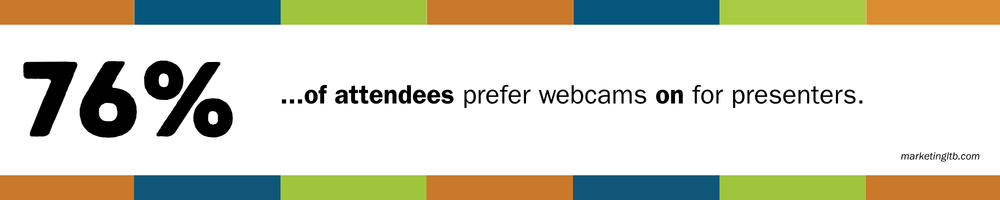
We've found that live issues often start with the speaker's setup, not the platform. Minimum technical standards for presenters include:
- Wired internet connection
- External microphone
- Proper lighting/background
- Slide formatting review
At least one full technical rehearsal should include:
- Screen sharing
- Poll launches
- Q&A simulation
- Transition practice
- Backup planning
A detailed Run-of-Show document is non-negotiable. It should include:
- Timing outline
- Role assignments
- Cue language
- Contingency plans
Step 5: Live Execution and Risk Management
Assign clear roles with defined responsibilities ahead of your event and practice during the rehearsal. Roles include:
- Organizer/Producer - Controls platform and timing
- Moderator - Manages audience engagement
- Technical Support - Assists attendees
- Speaker Liaison - Manages backstage communication
Prepare contingency plans for:
- Speaker connectivity loss
- Slide deck failure
- Audio issues
- Platform disruption
Action Step: Record backup copies of critical presentations whenever possible.
Step 6: Post-Event Reporting and Follow-Up
The event doesn't end when you click "End Session." Some post-event best practices include:
- Analyze attendance and engagement
- Distribute surveys within 24 hours
- Publish on-demand content
- Trigger sales or stakeholder follow-up
According to industry data compiled by EntrepreneursHQ citing Statista research, 93% of organizers say virtual events are a permanent part of their strategy. That staying power means your event shouldn’t end at sign-off, and extending content life through on-demand access increases the return on both your effort and your investment.
Action Step: Schedule your reporting review meeting before the event goes live.
Common Virtual Event Production Challenges

Technical Glitches
Mitigation: Rehearsals, wired connections, backup content, defined roles.
Low Engagement
Mitigation: Structured interaction intervals and active moderation.
Speaker Inexperience
Mitigation: Clear onboarding documentation and required rehearsals.
Security Concerns
Mitigation: Registration gating, password protection, waiting rooms, and compliance review.
If your audience includes executives, investors, or regulated industries, production oversight is risk management, not a luxury.
FAQ: Virtual Event Production
What's the difference between webinar hosting and virtual event production?
Webinar hosting means operating inside a platform. Virtual event production includes strategy, technical oversight, speaker preparation, engagement design, security alignment, and reporting.
One is functional, the other is operational leadership.
How far in advance should you plan?
- Single-session webinar: 4-6 weeks
- Multi-session conference: 8-12 weeks
Large enterprise programs may require longer timelines depending on integration and compliance requirements.
Do I need professional production services?
If your event impacts revenue, executive communications, investor relations, or brand reputation, oversight reduces risk and improves measurable outcomes.
Low-stakes internal updates? Maybe not. That said, it's important to be honest with yourself and your team about the stakes.
How EventBuilder Supports Virtual Event Production and Webinar Management
EventBuilder provides:
- Advanced, intelligent registration workflows
- Deep integration with Microsoft Teams
- Enterprise-grade security management
- Multi-format delivery support
- Live production management
- Presenter training and rehearsal oversight
- Structured reporting dashboards
We partner with marketing and communications teams who need events to perform, not just run.
Go With the Pros
Virtual events can carry real business weight for your pipeline, your leadership visibility, and your brand reputation. If you're running programs where performance, security, and measurable outcomes matter, let's talk! We'll help you architect an approach that fits your goals, your tech stack, and your risk tolerance. Make sure your next event doesn't just run...it performs.

Disclaimer: This article was created with some help from AI, but thoroughly edited, revised, reviewed, and fact-checked by a living, breathing, coffee-drinking human writer.
What Are Virtual Event Logistics?
Virtual Event Day-of Management Checklist
No Comments Yet
Let us know what you think